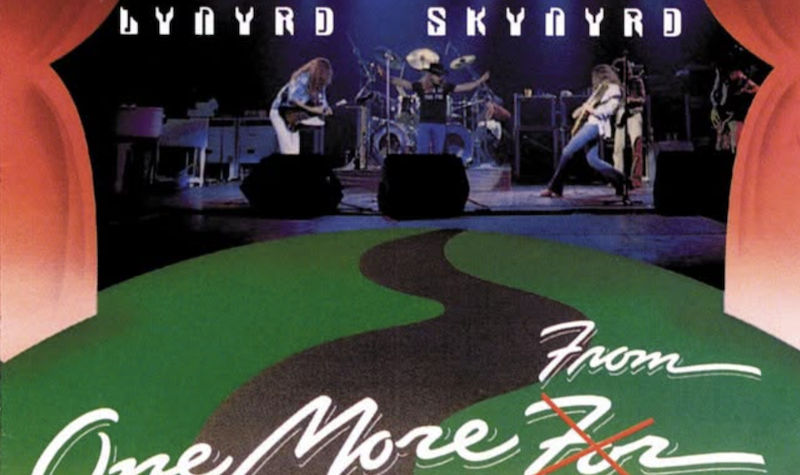


Lynyrd Skynyrd’s Golden Era Was Definitively Captured on ‘One More From the Road’
September 14, 2026Released 50 years ago this week by Lynyrd Skynyrd, ‘One More From the Road’ explodes with classic-era energy and skintight performances.

Jazz drummer phenom Devin Gray: Something Else! Interview (Part 2 of 2)
May 28, 2026For the conclusion of our 2-part conversation with creative jazz drummer and composer Devin Gray, the Maine-born musician speaks of his increasing ties to Europe and how the fertile Berlin music scene environment gave him new ways to flourish. S. VICTOR AARON: So now I want to shift over toRead More
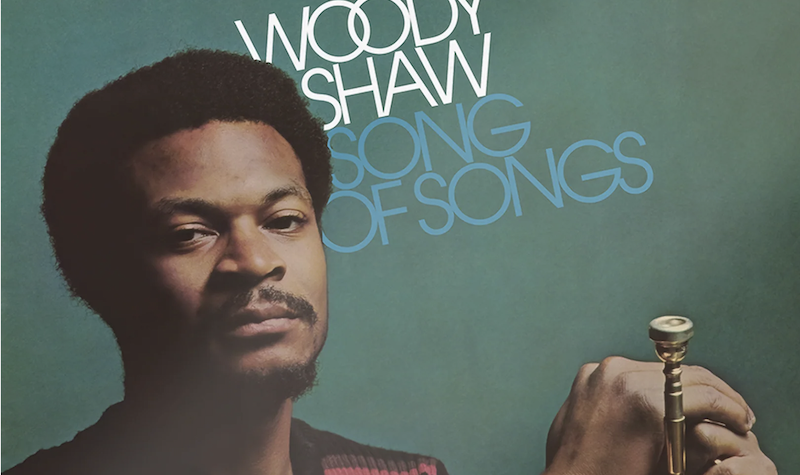
Woody Shaw – ‘Song of Songs’ (1973; 2026 reissue)
September 13, 2026More than five decades later, Woody Shaw’s ‘Song of Songs’ still sounds like the work of an artist discovering his own language in real time.
-
Rich Halley 4 – ‘A Distant Land’ (2026)
September 11, 2026 -
New in Jazz: Ali Ryerson Quartet, Rich Willey, Janis Siegel, Stickman + Schapiro 17
September 10, 2026

Mike Dillon, “Puma and the Spider Monkey” from ‘Mike & Beignet Go to the Zoo’ (2026): Sneak Peek
July 16, 2026Here is “Puma and the Spider Monkey,” an advance single from percussionist Mike Dillon’s upcoming album ‘Mike & Beignet Go to the Zoo.’
-
Tonino Miano Trio – ‘MOSS/Electric’ (2026)
July 13, 2026 -
OM – ‘Südpol’ (2026)
June 18, 2026

Henry Threadgill Zooid – ‘Cut You Where You Was’ (2026)
August 20, 2026Henry Threadgill goes back to his typical routine of producing a new Zooid album ‘Cut You Where You Was’ and showing Zooid hasn’t come close to running its course.
-
Satoko Fujii Orchestra Kobe – ‘After The Storm’ (2026)
August 17, 2026 -
Billy Mohler – ‘Live In Europe’ (2026)
April 21, 2026
Lynyrd Skynyrd’s Golden Era Was Definitively Captured on ‘One More From the Road’
September 14, 2026Released 50 years ago this week by Lynyrd Skynyrd, ‘One More From the Road’ explodes with classic-era energy and skintight performances.

Every Copy of Rush’s ‘Roll the Bones’ Reveals Something New
September 9, 2026Released 35 years ago this month, Rush’s ‘Roll the Bones’ is better than most people think. As many times as I’ve bought it, I should know.

In an Era With So Many ‘Legends,’ Ozzy Osbourne Lived Up to the Title
July 24, 2025Ozzy Osbourne leaves behind a legacy that deserves respect not only in the metal world, but in the music world in general.
Lynyrd Skynyrd’s Golden Era Was Definitively Captured on ‘One More From the Road’
September 14, 2026Released 50 years ago this week by Lynyrd Skynyrd, ‘One More From the Road’ explodes with classic-era energy and skintight performances.

Bruce Springsteen and the E Street Band, March 31, 2026: Shows I’ll Never Forget
April 9, 2026Bruce Springsteen has said he hoped his music could encourage positive passions of the moment. Based on the tour’s first night, he is surpassing all goals.
-
Elton John – ‘Live From the Rainbow Theatre’ (2025)
November 13, 2025 -
Genesis, Jan. 24, 1975: Shows I’ll Never Forget
October 2, 2025

‘Boy George and Culture Club’ (2026): Movies
July 19, 2026‘Boy George and Culture Club’ is a story about identity, friendship, love, reinvention and resilience, all told by the people who lived it.
Remembering the Byrds’ Groundbreaking Gene Clark: ‘We Wanted to Move Into a New Area’
May 25, 2026The sad and early death of Gene Clark 35 years ago this week couldn’t overshadow a remarkable stint as the Byrds’ principal songwriter in the mid-1960s.

Allen Toussaint – ‘Songbook’ (2013; 2026 reissue)
June 7, 2026Returning as an expanded reissue, ‘Songbook’ found Allen Toussaint explaining America to itself, one song at a time.
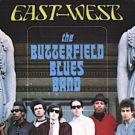
How Paul Butterfield Deftly Blended Blues and Psychedelia on ‘East-West’
August 23, 2026When ‘East-West’ was released 60 years ago this month, the Paul Butterfield Blues Band opened doors not just for the blues but all of rock.
-
Allen Toussaint – ‘Songbook’ (2013; 2026 reissue)
June 7, 2026 -
Terry Blade – ‘Chicago Kinfolk: The Juke Joint Blues’ (2025)
March 4, 2025

Muscle Shoals, Grateful Dead and the Record Plant: Summer Music Books
June 3, 2026Steve Matteo surveys a new trio of deep-dive music books on Muscle Shoals, the Grateful Dead and the Record Plant with simply stunning visual presentations.
‘Boy George and Culture Club’ (2026): Movies
July 19, 2026‘Boy George and Culture Club’ is a story about identity, friendship, love, reinvention and resilience, all told by the people who lived it.
-
How the Beatles’ Struggles to Follow the ‘Help!’ Movie Led Directly to ‘Revolver’
February 20, 2026 -
Reconsidering the Beatles’ Second Film ‘Help!’
December 18, 2025
Mike Dillon, “Puma and the Spider Monkey” from ‘Mike & Beignet Go to the Zoo’ (2026): Sneak Peek
July 16, 2026Here is “Puma and the Spider Monkey,” an advance single from percussionist Mike Dillon’s upcoming album ‘Mike & Beignet Go to the Zoo.’

The Five Songs That Help Define Chicago’s Gutsiest Album
January 13, 2026‘Chicago III’ arrived 55 years ago this week as their third consecutive double album in less than two years. Yet Chicago was somehow still pushing the musical envelope.
-
Fernando Perdomo – ‘Waves 10’ (2025): Gimme Five
October 12, 2025 -
Rick Davies’ Five Greatest Supertramp Moments
September 15, 2025
Woody Shaw – ‘Song of Songs’ (1973; 2026 reissue)
September 13, 2026More than five decades later, Woody Shaw’s ‘Song of Songs’ still sounds like the work of an artist discovering his own language in real time.
The Ramones’ ‘Pleasant Dreams’ Found a Perfect Balance Between Rebellion and Accessibility
July 20, 2026Reactions were mixed for some reason as ‘Pleasant Dreams’ arrived 45 years ago today, but this stands as the Ramones’ last truly great album.
-
J. Geils Band – ‘Blow Your Face Out’ (1976): Forgotten Series
April 22, 2026 -
How ‘Hollies Sing Hollies’ Showed New Promise After Graham Nash’s Exit
November 14, 2024